

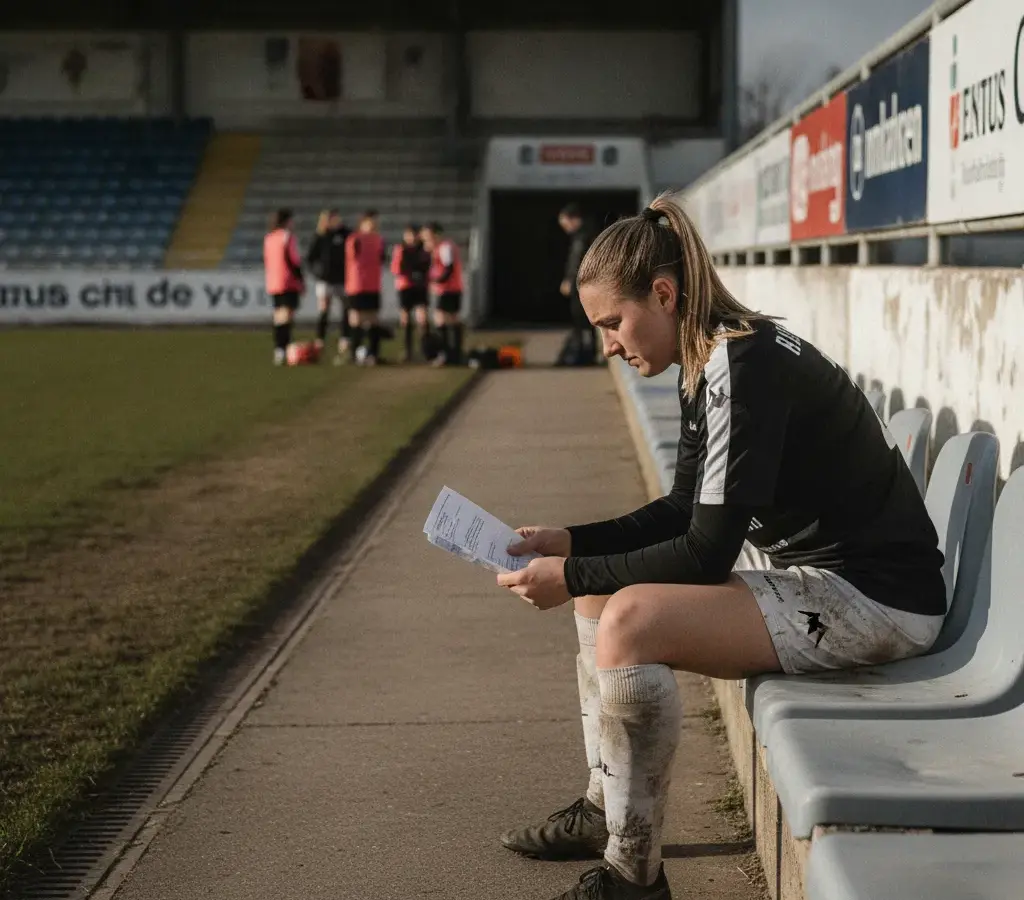
A stark divide is emerging in the world of women’s football, where a global surge in popularity is failing to translate into stability for the majority of players. According to the latest FIFPRO Global Employment Report, nearly half of the athletes surveyed are contemplating an early exit from the sport. While headlines often highlight record breaking crowds and rising revenues, these gains remain concentrated in a few elite pockets, leaving countless others struggling with precarious finances and deteriorating mental health.
The data reveals a troubling gap between the perceived growth of the game and the lived reality of its participants. Although average salaries have technically tripled since 2017, reaching roughly 2,601 dollars per month, this figure is skewed by high earners in leagues like the NWSL. For many elsewhere, particularly in Eastern Europe and parts of Asia, pay frequently hovers near or even below national minimum wage levels. This financial instability is compounded by a lack of basic job security, with over forty percent of players operating without formal employment contracts.
Mental health has also emerged as a critical crisis within the locker room. More than half of those surveyed reported struggling with their psychological well-being, yet fifty percent received no support from their respective clubs. Of those considering retirement, almost half pointed to psychological stress as a primary driver. Dr. Alex Culvin, FIFPRO’s Director of Women’s Football, warned that away from the wealthiest clubs there is a recurring theme of fragility that makes long term careers unsustainable for most women.
Despite these challenges, the report suggests that targeted regulation can create meaningful change. The introduction of FIFA maternity protections in 2021 serves as a prime example, drastically reducing the number of women who feel forced to quit the game to start a family. To replicate this success across other areas, FIFPRO is calling for enforceable minimum standards regarding pay and healthcare to be written into national contracts. Without such systemic interventions and better collaboration with player unions, experts fear that talent will continue to leak out of the sport due to avoidable hardship rather than athletic decline.