

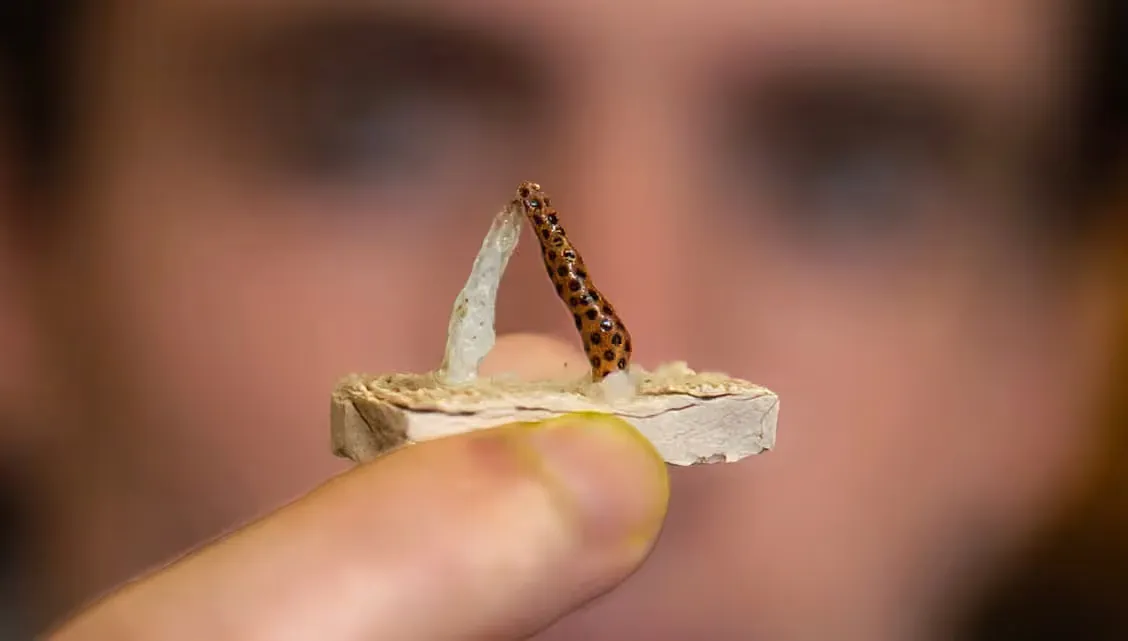
A serendipitous moment in a Stanford University laboratory may have uncovered a vital survival mechanism for our planet’s struggling coral reefs. While observing samples in a tank, Professor Steve Palumbi noticed something unusual when two pieces of coral accidentally leaned against one another. One fragment was vibrant and healthy, while the other was bleached white from heat stress. To his surprise, the area where the two colonies touched was regaining its color, suggesting that the healthy coral was somehow nursing its dying neighbor back to health.
To test this observation, researcher Danny Collins paired bleached coral fragments with healthy clones from the same colony. The results were stark: every bleached fragment that made physical contact with a healthy partner recovered within seven weeks, whereas those kept just a few millimeters apart perished. Under a microscope, the team discovered that the corals had actually fused together, forming microscopic channels that acted like biological pipelines. These conduits allowed essential nutrients and symbiotic algae to flow from the healthy donor into the starving host.
Once these beneficial algae entered the damaged tissue, they didn’t just settle in; they exploded in population. The algae multiplied ten times faster than they typically do in the wild, doubling their numbers every four days during the second week of recovery. This rapid surge provided enough energy for the bleached corals to sustain themselves independently shortly after they were separated from their donors, proving that a brief window of contact could jumpstart a total recovery.
Despite the excitement, scientists caution that this method isn’t yet a magic bullet for oceanwide restoration because it requires genetic identity for fusion to occur. Since most reef corals aren’t identical twins, practitioners cannot simply press any two corals together to save them. However, the team hopes this discovery will lead to new ways of delivering algae to stressed reefs without needing direct physical bonds between clones.
Ultimately, this breakthrough serves as a tool for recovery rather than a shield against climate change. As global bleaching events become more frequent and severe due to rising sea temperatures, experts warn that local interventions cannot replace the urgent need to reduce carbon emissions. While this accidental discovery provides a glimmer of hope for saving individual coral gardens after a disaster, protecting the remaining biodiversity of our oceans remains dependent on cooling the waters overall.