

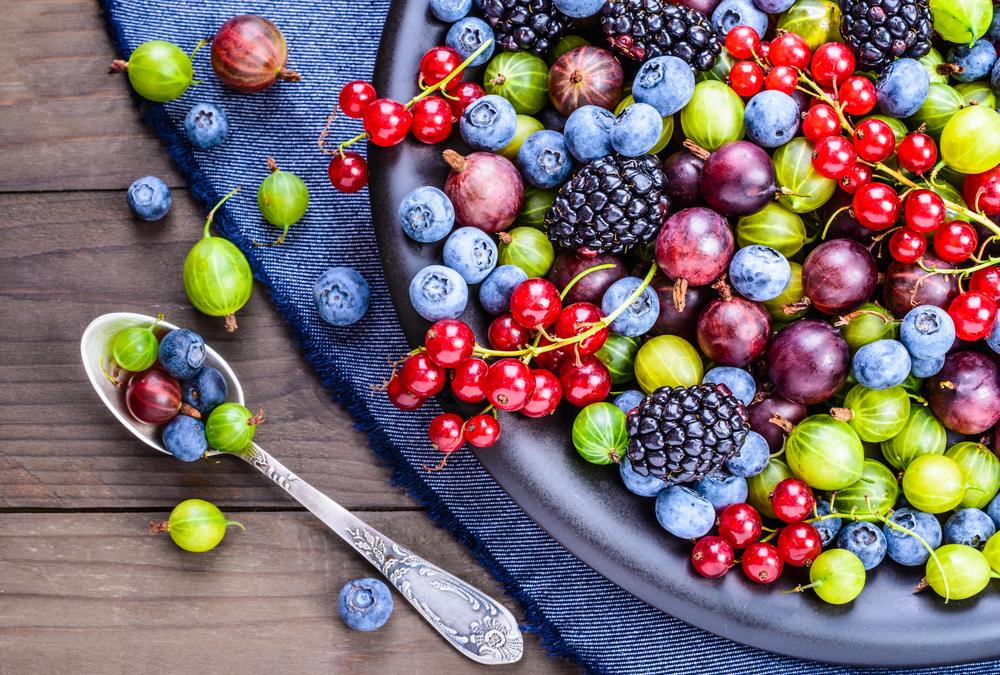
Blueberries, chia seeds, kale, salmon, and green tea are often described as superfoods. They appear in health articles, social media posts, and nutrition advertisements, promising everything from better energy and stronger immunity to improved heart health and longer life.
But are superfoods really special, or is the term mostly a marketing strategy? The truth is that many foods commonly called superfoods are nutritious and can support good health. However, no single food can provide every nutrient your body needs or protect you from all diseases. A balanced, varied diet matters much more than eating a few fashionable ingredients.
Understanding what makes these foods valuable can help you make healthier choices without spending extra money on expensive products or believing exaggerated health claims.
What Are Superfoods?
The term “superfood” is commonly used to describe foods that contain high levels of beneficial nutrients, such as vitamins, minerals, fiber, healthy fats, and plant compounds called antioxidants.
Examples often include berries, leafy green vegetables, nuts, seeds, legumes, oily fish, and certain whole grains. These foods can contribute to a healthy diet, but the term itself does not have one universally accepted scientific definition.
Unlike terms such as “whole grain” or “source of vitamin C,” the word “superfood” does not automatically guarantee a particular nutritional benefit. A product marketed as a superfood may be nutritious, but its actual value depends on its ingredients, serving size, overall nutritional content, and how it fits into your diet.
For example, blueberries contain fiber and various plant compounds, while salmon provides protein and omega-3 fatty acids. Both can be useful parts of a balanced diet, but neither replaces the benefits of eating a variety of other nutritious foods.
Why Are Superfoods Considered Healthy?
Many foods called superfoods contain nutrients that help the body function normally. Their benefits generally come from their nutritional composition rather than from any mysterious or unique property.
1. They Provide Essential Nutrients
Your body needs vitamins and minerals to support numerous processes, including energy metabolism, bone health, nerve function, and the immune system.
Leafy greens, for example, can provide folate and vitamin K, while citrus fruits are a source of vitamin C. Nuts and seeds can supply minerals such as magnesium, and legumes provide nutrients including iron, folate, and potassium.
Eating a variety of nutrient-rich foods helps you obtain the different substances your body needs without relying on a single ingredient.
2. They Contain Antioxidants
Antioxidants are substances that help protect cells from damage associated with unstable molecules known as free radicals. The body produces these molecules naturally, and they can also arise from environmental exposures and normal metabolic processes.
Many fruits, vegetables, nuts, seeds, and other plant foods contain antioxidant compounds. Berries, for example, contain anthocyanins, which are responsible for many of their red, blue, and purple colors.
However, a food containing antioxidants does not automatically prevent cancer, stop aging, or protect against every chronic disease. Health outcomes depend on many factors, including overall dietary patterns, genetics, lifestyle, and existing medical conditions.
3. They Support Digestive Health
Fiber is an important part of a healthy diet. It supports regular bowel movements, helps maintain digestive function, and can contribute to feelings of fullness after eating.
Foods such as oats, beans, lentils, raspberries, chia seeds, and vegetables provide dietary fiber. Some types of fiber also help nourish beneficial bacteria in the gut.
Increasing fiber intake gradually and drinking enough fluids can help your digestive system adjust more comfortably.
4. They Can Support Heart Health
Many foods labeled as superfoods contain nutrients associated with cardiovascular health. Oats and beans provide fiber, nuts contain unsaturated fats, and oily fish such as salmon provides omega-3 fatty acids.
Replacing some foods high in saturated fat with sources of unsaturated fats, and regularly eating fiber-rich plant foods, can help support healthy cholesterol levels and overall cardiovascular health.
Still, eating one particular food cannot cancel out an otherwise unhealthy diet. Long-term eating patterns are more important than occasional servings of a single ingredient.
Popular Superfoods and Their Benefits
Different foods offer different nutrients. Here are several popular examples and what they can realistically contribute to your diet.
Blueberries
Blueberries provide fiber, vitamin C, and anthocyanins. They are an easy addition to oatmeal, yogurt, smoothies, or a simple fruit snack.
They are a nutritious choice, but you do not need to eat blueberries every day to maintain a healthy diet. Other berries and fruits can also provide valuable nutrients.
Leafy Green Vegetables
Spinach, kale, broccoli, and other green vegetables supply a range of vitamins, minerals, and fiber. Depending on the vegetable, they may provide folate, vitamin K, vitamin C, and carotenoids.
Including different vegetables throughout the week is more useful than focusing exclusively on one variety. Fresh, frozen, and many canned vegetables can all contribute to a healthy eating pattern.
Nuts and Seeds
Walnuts, almonds, chia seeds, flaxseeds, and pumpkin seeds contain varying amounts of healthy fats, protein, fiber, vitamins, and minerals.
They can make meals more satisfying and add nutritional variety to salads, porridge, yogurt, and other dishes. Because nuts and seeds are energy-dense, a modest portion is often enough.
People with nut or seed allergies should avoid the relevant ingredients and follow medical guidance on allergen safety.
Oily Fish
Salmon, sardines, and other oily fish provide protein and omega-3 fatty acids. These fats play important roles in normal body function, and eating fish as part of a balanced diet can support cardiovascular health.
If you do not eat fish, other foods can contribute to a nutritious diet. Walnuts, chia seeds, and flaxseeds provide alpha-linolenic acid, a plant-based omega-3 fatty acid, although the body converts it into the longer-chain omega-3 fats found in fish only to a limited extent.
Oats
Oats contain soluble fiber, including beta-glucan, which can help lower LDL cholesterol when consumed regularly in sufficient amounts as part of an appropriate diet.
Oatmeal is also a practical breakfast option because it can be combined with fruit, nuts, seeds, or yogurt. Choosing plain oats instead of heavily sweetened instant products can make it easier to manage added sugar intake.
Beans and Lentils
Beans, chickpeas, and lentils are affordable sources of plant-based protein, fiber, and several important minerals. They can help make meals filling and nutritious.
Adding legumes to soups, salads, stews, or rice dishes is a simple way to improve dietary variety without relying on expensive products marketed as superfoods.
Green Tea
Green tea contains plant compounds called catechins, as well as caffeine. It can be a pleasant alternative to sugary drinks and contribute to daily fluid intake.
Although green tea has been studied for potential health benefits, claims that it independently causes significant weight loss or prevents serious diseases should be treated cautiously. Concentrated green tea extracts are also different from drinking tea and can carry health risks, including liver injury in some cases.
Are Superfoods Better Than Ordinary Healthy Foods?
Not necessarily. Some foods receive more attention because they are unusual, colorful, imported, or heavily promoted. However, familiar and affordable foods can offer similar nutritional advantages.
For example:
- Blueberries and apples: Both provide fiber and beneficial plant compounds, although their nutrient profiles differ.
- Quinoa and oats: Both can contribute to a nutritious diet. Oats are rich in soluble fiber, while quinoa provides protein and several minerals.
- Chia seeds and flaxseeds: Both provide fiber and plant-based omega-3 fatty acids.
- Expensive imported berries and locally available fruit: Both can help increase fruit intake and dietary variety.
- Specialty protein powders and ordinary protein-rich foods: Eggs, beans, lentils, dairy products, fish, and tofu can provide protein without requiring a supplement.
The best choice depends on your nutritional needs, personal preferences, budget, availability, and any dietary restrictions. A healthy diet does not need exotic ingredients.
Can Superfoods Prevent Disease?
This is where many health claims become misleading. Eating nutrient-rich foods can support general health and may contribute to a lower risk of certain chronic diseases when they are part of a healthy overall lifestyle. However, no individual food can guarantee disease prevention.
Research often examines dietary patterns rather than isolated ingredients. For example, eating a variety of vegetables, fruits, whole grains, legumes, nuts, and appropriate sources of protein is associated with better health outcomes.
It is also important to distinguish between different types of scientific evidence. A laboratory study showing that a plant compound affects cells does not prove that eating the food produces the same effect in humans. Similarly, an association between eating a particular food and better health does not necessarily prove that the food alone caused the benefit.
Be cautious of products claiming to cure diseases, detoxify the body, dramatically boost immunity, or replace prescribed treatment. Such claims may go beyond the available evidence.
Do You Need Superfood Supplements?
Superfood powders, concentrated extracts, and green drink mixes are often promoted as convenient ways to obtain large amounts of nutrients. Some products can contribute useful nutrients, but they are not essential for everyone.
Whole foods provide combinations of nutrients, fiber, and other compounds that may not be fully reproduced in supplements. Powders and extracts can also vary in quality, nutritional content, and added ingredients.
Before buying a supplement, consider the following:
- Check the ingredients. Look for added sugars, unnecessary stimulants, and ingredients that may not suit your needs.
- Be skeptical of dramatic promises. Claims about rapid weight loss, detoxification, or disease cures are warning signs.
- Consider possible interactions. Some supplements can interact with medicines or affect existing health conditions.
- Choose products carefully. Where possible, look for independent quality testing and transparent ingredient information.
- Ask a healthcare professional when needed. Supplements may be appropriate for specific deficiencies or circumstances, but more is not always better.
For most people, a varied diet is the best starting point. Supplements are useful in certain situations, but they should not automatically replace nutritious meals.
How to Add More Nutrient-Rich Foods to Your Diet
You do not need to change your entire diet overnight or buy expensive ingredients. Small, consistent improvements can make healthy eating easier to maintain.
- Add fruit to breakfast. Try berries, a banana, or sliced apple with oatmeal or yogurt.
- Include vegetables at lunch and dinner. Fresh, frozen, and canned options can all be practical choices.
- Eat legumes regularly. Add beans or lentils to soups, salads, stews, and other meals.
- Choose whole grains more often. Oats, brown rice, and whole-grain bread can help increase fiber intake.
- Include suitable sources of healthy fats. Nuts, seeds, olive oil, and oily fish can contribute useful unsaturated fats.
- Drink water regularly. Water is a practical everyday drink, and unsweetened tea can also contribute to fluid intake.
- Focus on consistency rather than perfection. A varied pattern of nutritious meals matters more than eating a specific food every day.
When planning meals, think about the overall combination of foods. A bowl of oatmeal with fruit and nuts, for example, provides a mixture of fiber, carbohydrates, fats, and other nutrients. A meal with beans, vegetables, and whole grains can offer a similarly varied nutritional profile.
Do Superfoods Help You Lose Weight?
No single food automatically causes weight loss. Although some nutrient-rich foods can support weight management, changes in body weight depend on many factors, including overall energy intake, physical activity, sleep, medications, and individual health circumstances.
Foods containing protein and fiber may help you feel full for longer, making it easier to manage hunger. Examples include beans, lentils, oats, fruit, vegetables, and unsweetened yogurt.
However, even nutritious foods contribute energy. Nuts, seeds, oils, and dried fruits can be valuable parts of a diet, but portion sizes may matter if your goal is weight management.
Instead of searching for a special fat-burning ingredient, focus on sustainable eating habits, regular physical activity, sufficient sleep, and a dietary pattern you can maintain over time.
Are Organic Superfoods Healthier?
Organic foods can be part of a healthy diet, but organic certification does not automatically mean that a food contains more nutrients or provides greater health benefits than its conventional equivalent.
The nutritional value of a food depends on many factors, including its variety, growing conditions, ripeness, storage, and preparation. Washing produce under running water and handling food safely are important regardless of whether it is organic.
If organic products are too expensive or unavailable, conventional fruits and vegetables remain valuable choices. It is generally more useful to eat a variety of produce than to avoid it because organic options are outside your budget.
The Bottom Line: Are Superfoods Real?
Superfoods are real in the sense that many foods marketed under this label are rich in valuable nutrients, but the term itself is not a scientific guarantee of extraordinary health benefits.
Blueberries, leafy greens, oats, legumes, nuts, seeds, and oily fish can all contribute to a healthy diet. Yet no single ingredient can replace variety, balance, and consistent healthy habits.
You do not need expensive powders, exotic berries, or special supplements to eat well. Everyday foods can provide many of the same essential nutrients, often at a lower cost.
The most practical approach is to eat a variety of fruits, vegetables, whole grains, protein sources, and healthy fats while limiting excessive amounts of added sugar, salt, and highly processed foods. Rather than searching for one miraculous ingredient, build a balanced diet that works for your lifestyle and needs.
Frequently Asked Questions
What is the healthiest superfood?
There is no single healthiest superfood for everyone. Different foods provide different nutrients, so eating a variety of fruits, vegetables, legumes, whole grains, nuts, seeds, and suitable protein sources is more beneficial than relying on one food.
Do I need to eat superfoods every day?
No. You do not need to eat any specific food every day to maintain a healthy diet. Aim for variety across meals and throughout the week.
Are superfoods expensive?
Some products marketed as superfoods can be expensive, but many nutrient-rich foods are affordable. Oats, beans, lentils, cabbage, carrots, apples, and frozen vegetables can all contribute to a healthy eating pattern.
Can superfoods replace vitamins or medication?
No. Foods can provide essential nutrients, but they do not automatically replace supplements prescribed for a deficiency or medications used to treat a medical condition. Speak with a healthcare professional before changing a treatment plan.
Are superfood powders as healthy as whole foods?
Not necessarily. Some powders provide useful nutrients, but their ingredients and nutritional content vary. Whole foods generally offer a broader combination of nutrients and, in many cases, fiber. Powders should not be assumed to provide the same benefits as a varied diet.