

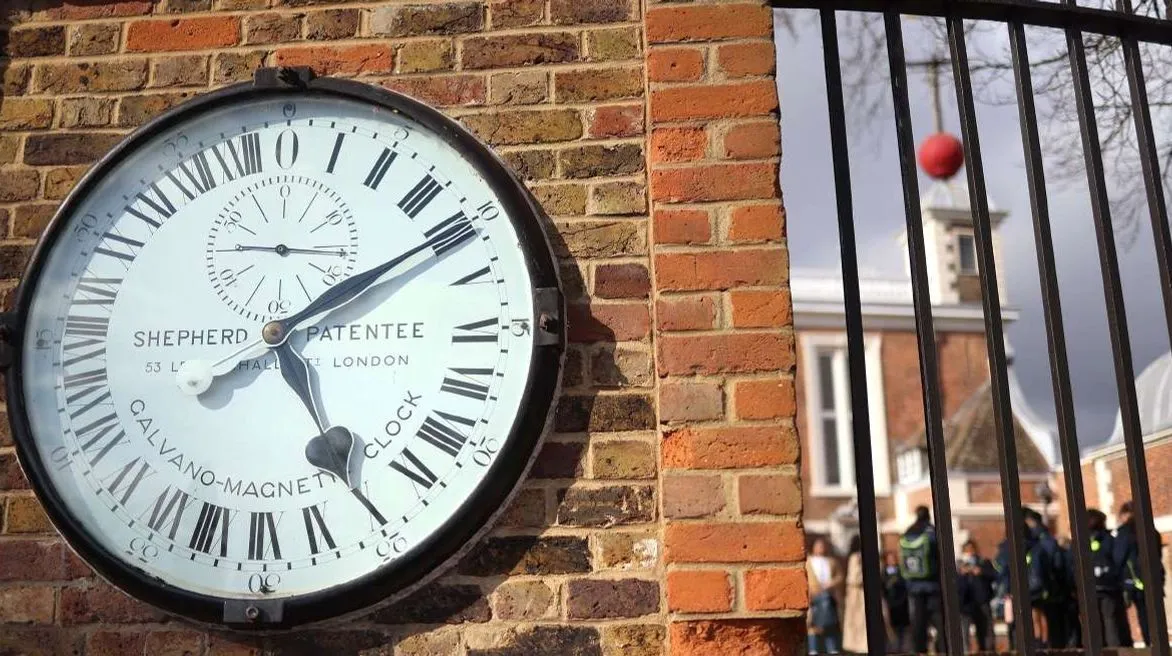
For centuries, humanity has looked to the heavens to tell time, relying on the predictable movements of the sun and stars. From simple sundials to the historic meridian line at the Royal Observatory Greenwich in London, our concept of a second was once tied inextricably to the rotation of the Earth. However, this ancient connection is now under threat as international regulators prepare to vote on eliminating the leap second, a tiny adjustment designed to keep our digital clocks in sync with a planet that refuses to spin at a constant speed.
The conflict arises because Earth is effectively a lousy clock. Factors like the gravitational pull of the moon, shifting planetary cores, and melting polar ice caps cause the globe to wobble and fluctuate in its rotation. To bridge the gap between this erratic astronomical time and the unwavering precision of atomic clocks, scientists have inserted 27 leap seconds since 1972. While these adjustments are invisible to most people, they are a nightmare for the digital age. High-frequency trading platforms, power grids, and tech giants like Meta have described these irregular additions as a major source of pain, noting that they have previously crashed everything from social media sites to airline booking systems.
The decision now rests with 69 member states of the International Bureau of Weights and Measures meeting near Paris. If approved, the leap second would vanish by May 2027, moving the world toward a system known as Continuous Coordinated Universal Time. Proponents argue that while keeping time tethered to celestial bodies was vital for early navigation, modern GPS technology has rendered that necessity obsolete. Even former skeptics like the United Kingdom have softened their stance despite a deep cultural attachment to Greenwich’s legacy of timekeeping.
Adding urgency to this debate is a strange new phenomenon: Earth appears to be speeding up in the short term. This means we may soon face our first ever negative leap second, where a second must be subtracted rather than added. Experts warn that deleting time is uncharted territory and could create absolute havoc across global infrastructure that is largely unprepared for such an event. By severing ties with the planet’s rotation entirely, officials hope to trade cosmic tradition for digital stability.