

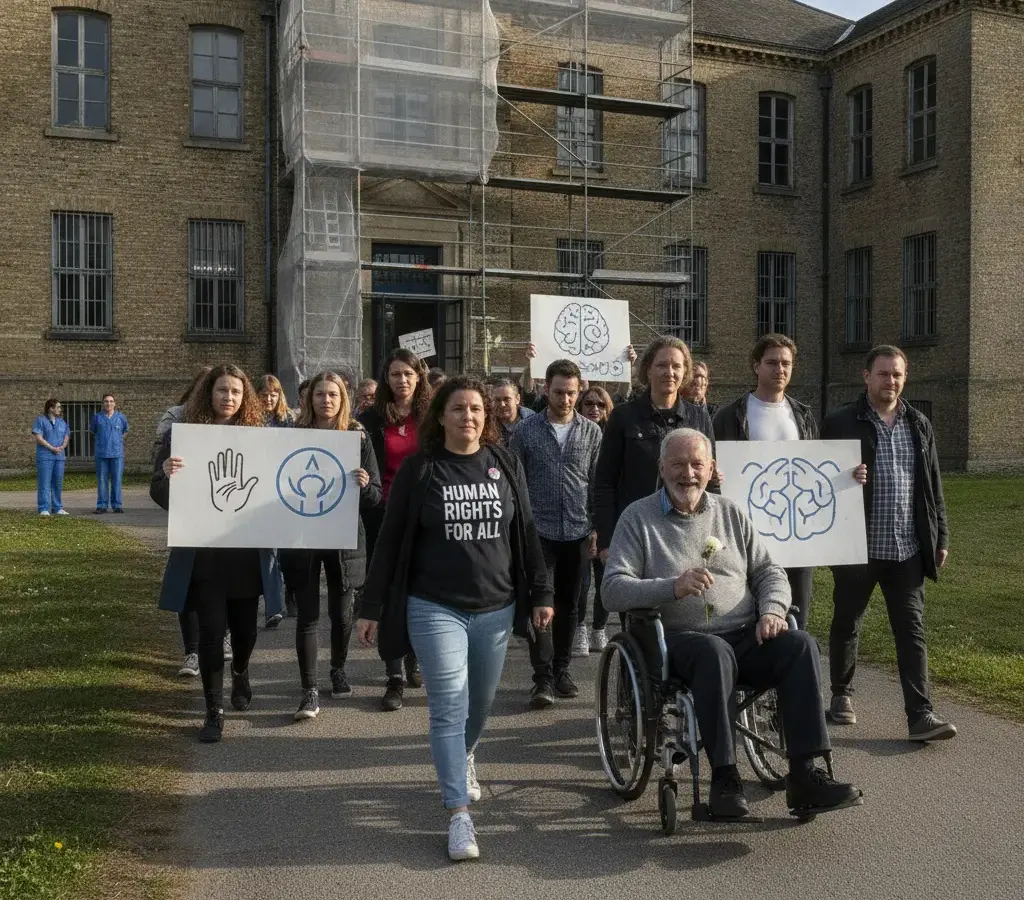
For too long, the global approach to mental health has relied on a model of isolation, where countless individuals spend months or even decades tucked away in psychiatric hospitals. While some view these institutions as necessary medical hubs, a growing chorus of advocates and health officials argue that they often function more as places of confinement than centers of healing. Data from the World Health Organization reveals a sobering reality where roughly half of those institutionalized were admitted against their will, stripped of basic autonomy and severed from their social circles. This systemic reliance on large facilities consumes nearly half of all public mental health funding, leaving community based services starved for resources despite evidence that patients thrive better when integrated into society.
The shift toward deinstitutionalization is not merely about closing hospital wards but about redefining what recovery looks like. True success requires a comprehensive ecosystem of support, including stable housing, employment opportunities, and peer networks that allow individuals to lead independent lives. When care is defined by coercion and rigid control, it ceases to be medicine and becomes a human rights violation. Conversely, moving treatment into general hospitals and local clinics ensures that mental health is treated with the same urgency and dignity as physical health, removing the stigma associated with separate asylum settings.
Sri Lanka serves as a powerful example of how this transition can work regardless of a nation’s wealth. Over the last two decades, the country has systematically dismantled its asylum based model in favor of a decentralized network involving district services and specialized child clinics. By integrating mental healthcare into general hospitals and outreach programs, Sri Lanka has demonstrated that prioritizing personal autonomy leads to better outcomes. This evolution proves that transitioning away from institutions is possible across various economic landscapes provided there is political will and a commitment to human rights.
As part of this global movement, the World Health Organization has introduced new guidelines to help nations navigate the complex process of scaling back psychiatric beds while simultaneously ramping up local supports. The goal is to ensure that no patient is ever discharged into a vacuum without continuous care or family support. Ultimately, this represents a profound cultural shift that demands the active participation of those who have lived through these systems. By treating patients as partners rather than subjects, governments can build a future where mental health care promotes inclusion and dignity instead of isolation.