

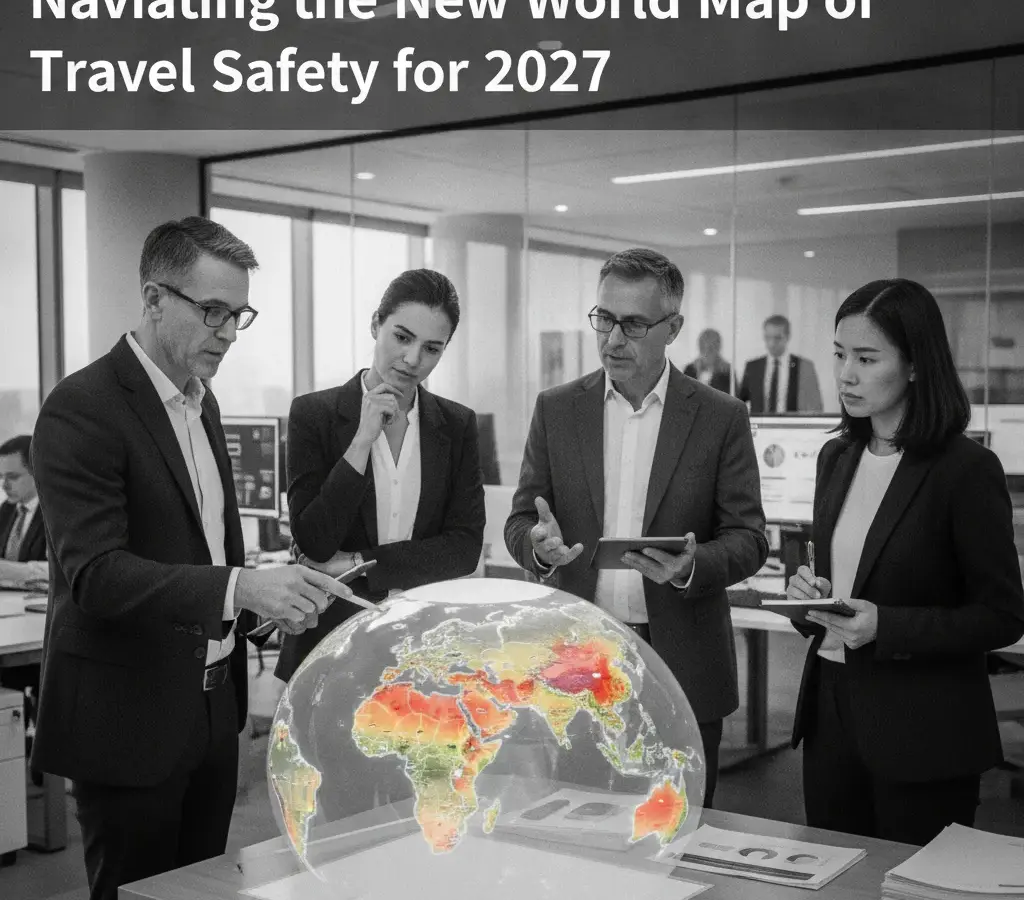
Planning a getaway for 2027 requires more than just picking a beautiful beach or a historic city; it now demands a deep dive into shifting global stability. According to a comprehensive new risk analysis from Global Guardian, the landscape of international travel has become increasingly fragmented. CEO Dale Buckner warns that nearly half of the world’s nations now contain multiple risk levels within their own borders, meaning a country that seems safe overall might have specific regions that are dangerously volatile. For those seeking total peace of mind, destinations like Iceland, Japan, Malta, Monaco, and Singapore remain the gold standard for security and stability.
Interestingly, the report suggests that danger isn’t always found in far-off lands. While traditional hotspots like Ethiopia, Haiti, and Yemen remain high-risk zones, the United States itself has been ranked as a moderate-risk destination. This classification stems from a combination of high murder rates compared to other developed nations and an increase in severe environmental threats, such as devastating wildfires and catastrophic flooding. The study emphasizes that safety is often regional rather than national; for example, while parts of Mexico struggle with cartel violence, central hubs like Mexico City offer a much lower risk profile for visitors.
There are some bright spots in the latest data, as several countries have successfully improved their standing. Jamaica saw its risk level drop from high to medium thanks to aggressive investments in urban security and falling crime rates in Kingston. Similarly, South Korea and Hungary moved into the low-risk category following periods of increased political stabilization. Conversely, locations like Cuba and Ecuador have seen their ratings worsen due to crumbling infrastructure and rising gang activity respectively.
Beyond choosing a destination, experts suggest that modern travelers must adopt a tactical mindset toward preparation. Former Green Beret Dale Buckner advises tourists to look beyond simple travel insurance and ask harder questions about medical emergencies, legal representation during foreign detentions, and digital security against hacking. By establishing a clear response plan before departure—including using encrypted VPNs and knowing exactly who to call during a crisis—travelers can significantly improve their odds of staying safe regardless of where they land on the map.